A handwritten menu at a new neighborhood bistro often presents a collection of evocative, sometimes cryptic, adjectives. A dish might be described as confit, braised, or macerated, accompanied by ingredients that sound delicious but remain entirely unfamiliar. While these terms add character to a dining experience, they can also create a gap between what you expect to eat and what actually arrives at the table.
The Tradeoff of Culinary Discovery
Life often moves in unpredictable waves; one week might involve late-night shifts or school projects that keep everyone home, while the next offers a rare, synchronized window for a family meal. When you finally secure that table, the stakes for a successful meal feel higher. You want the flavors to be exactly what you imagined, and you want the experience to be seamless.
The tradeoff often lies between the desire for culinary adventure and the need for certainty. You might see a dish listed with a unique botanical or a specific preparation method and feel hesitant to interrupt the flow of service. However, guessing what a dish contains can lead to a disappointing meal if the texture or a specific flavor profile does not align with your preferences.
Clarifying the Descriptions
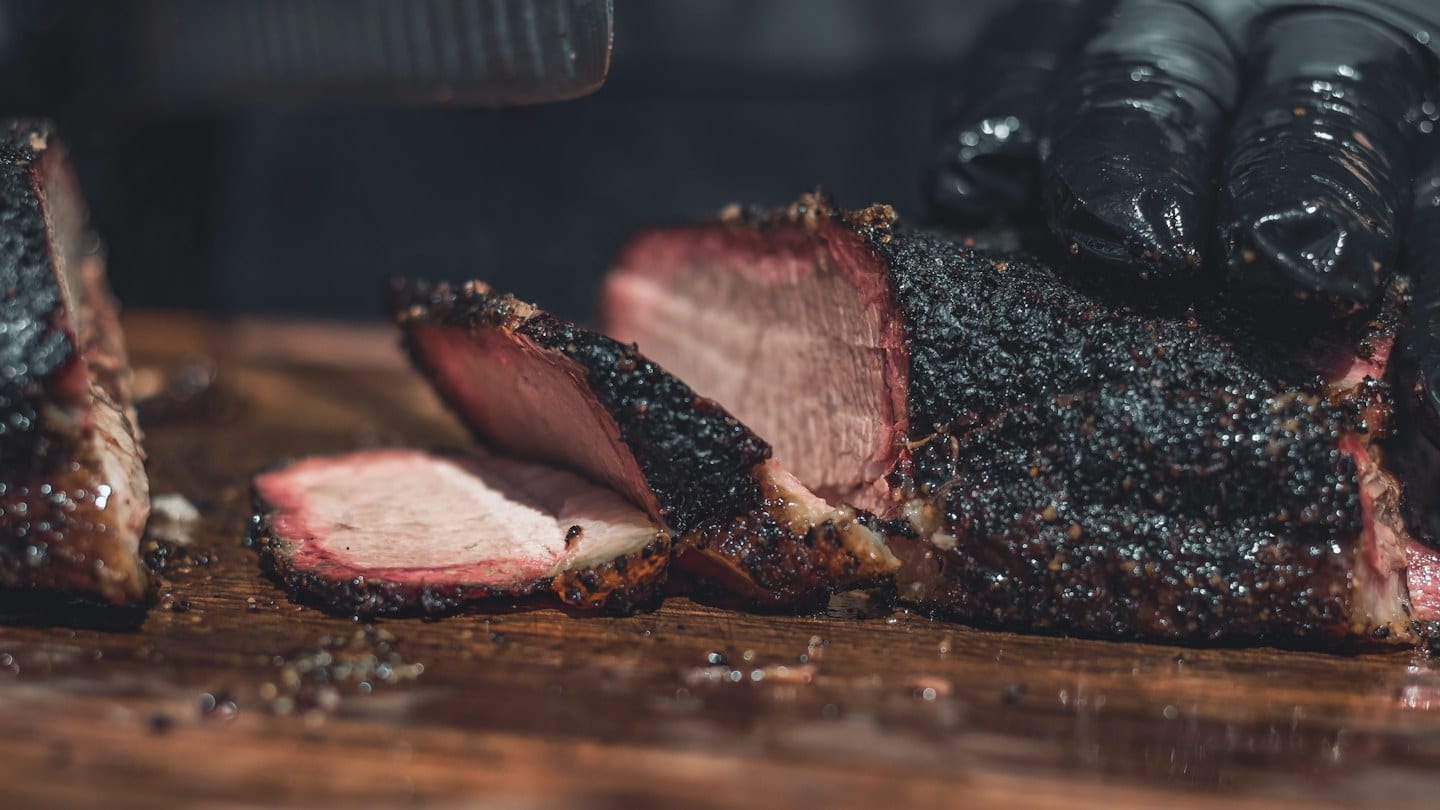
For example, if you are looking at a menu that features a "seasonal reduction" or a "charred" element, you might wonder how those processes affect the final taste. Does the reduction add a heavy sweetness, or is it more acidic? Is the charring a light dusting of smoke or a deep, bitter crispness?
Instead of making an assumption, use the staff as a resource. Ask the server to describe the specific flavors of an unfamiliar ingredient. You might ask, "How would you describe the texture of this preparation?" or "Does this sauce lean more toward sweet or savory?" If a term like emulsion or reduction appears, ask how that specific component is integrated into the dish.
A Shared Dining Experience
When schedules are tight and dining opportunities are precious, clarity ensures that the meal serves its purpose: a moment of connection and enjoyment. If you are dining with others who have specific tastes, these questions help you navigate the menu collectively without the frustration of a surprise ingredient halfway through the course.
Before you place your order, consider the descriptions through the lens of your own palate. If a description remains vague, ask the server for a more concrete breakdown of the components. By replacing guesswork with direct inquiry, you turn a mysterious menu into a reliable roadmap for your evening.