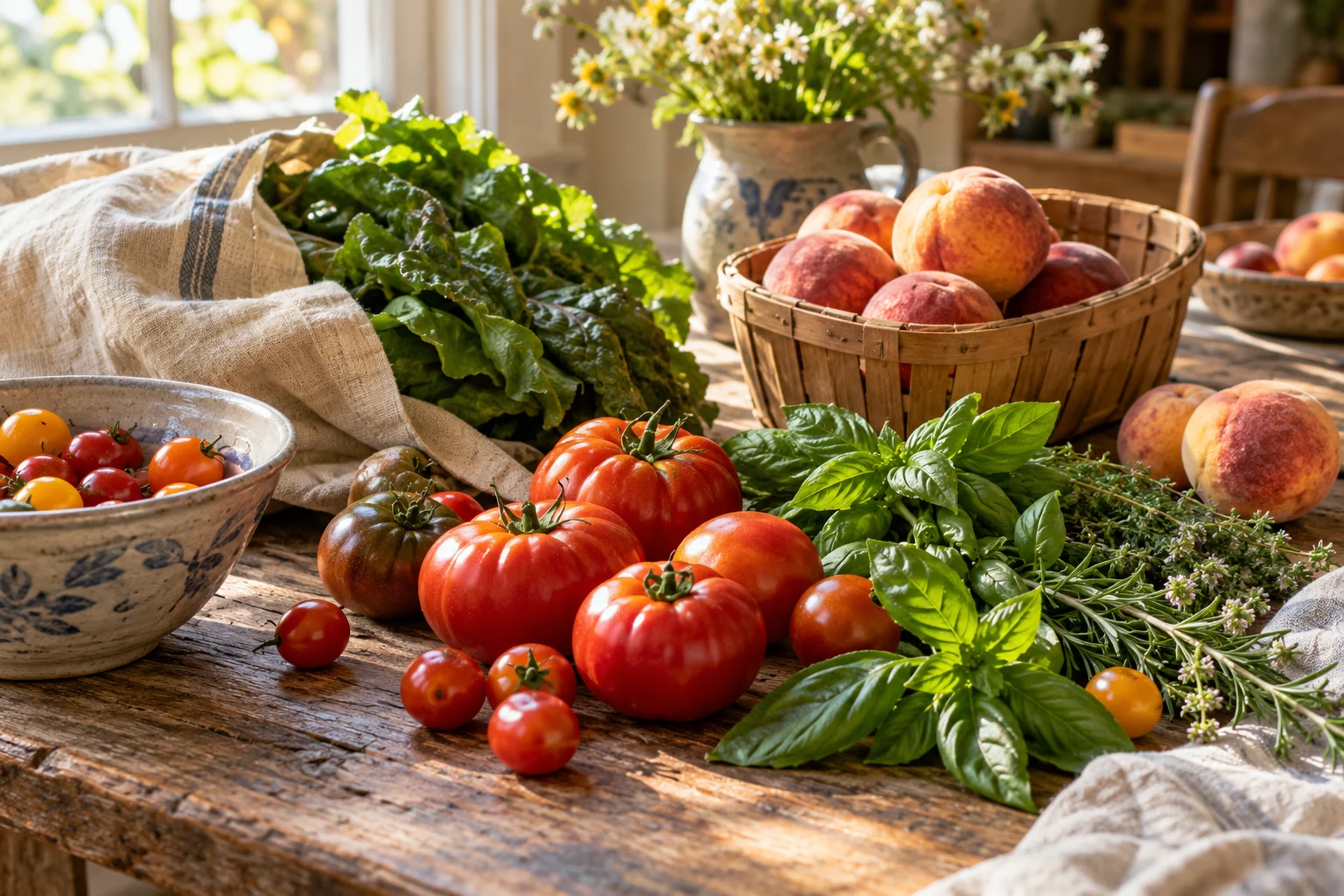
A single trip to a neighborhood market often results in a basket of ingredients that feels destined for one specific recipe. You see a bunch of fresh basil, a container of heavy cream, a block of hard cheese, and a bag of pasta, and your mind immediately settles on a single, heavy cream sauce. However, the true value of a market run lies in the ability to pivot. The same set of items can serve entirely different moods, moving from a formal sit-down dinner to a lighter, more textured meal.
The Weight of the Choice
When you are standing in the aisle, you are often balancing the desire for a comforting, reliable meal against the urge to try something more nuanced. This is a tradeoff between the known and the experimental. If you choose to lean into the richness of the cream, you are committing to a dense, satisfying experience. If you choose to use those same ingredients to highlight the sharpness of the cheese or the brightness of the herbs, you shift the entire character of the evening.
For example, if you find yourself with basil, cream, cheese, and pasta, you might envision a thick, velvety sauce that coats every strand. This is a singular direction. But consider an alternative: you could use the cream to create a light emulsion, folding in a large amount of torn basil and finely grated cheese to create a sauce that feels more like a bright infusion than a heavy blanket. The ingredients remain identical, but the texture and the way they interact with your palate change entirely.
Managing Multiple Sources
Making these decisions often requires reconciling different pieces of information. You might have a handwritten note from a friend suggesting a specific way to use basil, a digital recipe saved from a food blog, and a physical cookbook sitting on your counter. These sources rarely agree perfectly. One might suggest bruising the leaves for a rustic feel, while another insists on a fine chiffonade for elegance.
Rather than trying to force these conflicting instructions into a single outcome, look for the common thread. Use the information to understand the intent of the ingredient. If three different sources emphasize the freshness of the herb, let that be your guiding principle, regardless of whether you choose the heavy sauce or the light emulsion. The conflict between your sources is not a problem to solve, but a way to broaden your understanding of what those ingredients can do.
Refining the Selection
The final decision rests on what you want your evening to feel like. Before you head to the checkout, pause and ask yourself if you are buying for a specific dish or for a set of possibilities. If you want the flexibility to change your mind mid-prep, you might choose to pick up an extra lemon or a different type of oil to act as a bridge between these different directions. Once you have your basket, decide which version of the meal matches your energy. The ingredients are merely the starting point; the direction is yours to set.